

ARTEK Enterprises is proud to announce its dolomite mining initiative in Madhya Pradesh, a state rich in mineral resources and strategic for India’s industrial growth. This project reflects our commitment to quality, sustainability, and value creation — not just for us, but for local communities, industries, and the environment.
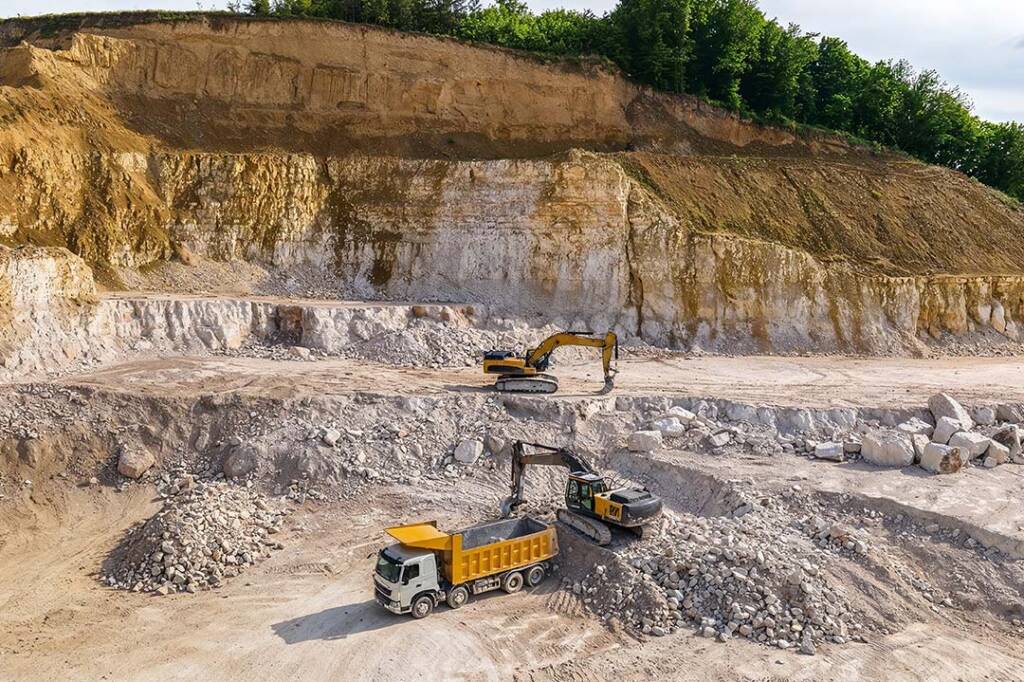
Dolomite: What & Why
What is Dolomite?
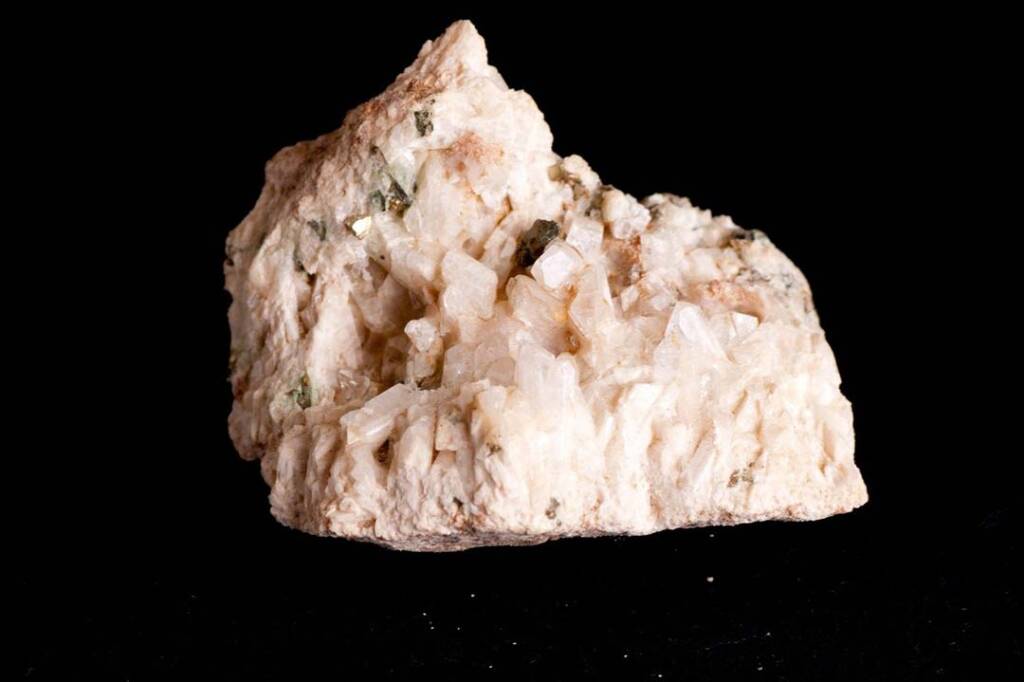
- Dolomite is a carbonate mineral composed of calcium magnesium carbonate (CaMg(CO₃)₂). It’s formed when magnesium‐bearing water reacts with limestone.
- Pure or high‐magnesian dolomite is valued especially when the magnesium carbonate content is high (often when MgCO₃ content exceeds 45 % in limestone) because it grants particular physical/chemical properties.
Why Dolomite is Important
- Steel & Metallurgy: Used as a fluxing agent in steelmaking, helps in controlling slag, improving furnace operations.
- Refractories: High‐grade dolomite is used to make refractory bricks or linings (for high temperature, corrosive environments) because of its stability at high heat.
- Cement & Construction: As aggregate, filler, or in some cements, also in road building etc.
- Agriculture & Soil Treatment: Helps balance soil pH, supplies calcium and magnesium.
Other Uses: Glass & ceramics, fillers in paints & coatings, chemical/feedstock for magnesium oxide etc.
The Madhya Pradesh Context
Reserves & Geographical Distribution
- Madhya Pradesh has significant dolomite reserves, estimated at about 2,311 million tonnes.
- Major districts with dolomite occurrences include Balaghat, Narsinghpur, Chhatarpur, Sagar, Mandla, Katni, Singrauli, Dewas, Jhabua, Seoni.
Production Data & Trends
- The monthly production in MP of non‐metallic dolomite has varied. For example, in Jan 2015, MP produced ~42,818 tons. Dec 2014 figure was ~49,553 tons.
- Production shows variability seasonally & over years, tied to demand from steel plants, infrastructure, and regulatory compliance. (You may replace these with your most recent internal or state data.)
Quality / Grade Considerations
- High magnesium content is a key differentiator (MgCO₃ content). Dolomites in districts like Mandla, Sagar, Chhatarpur are known for relatively high magnesia content.
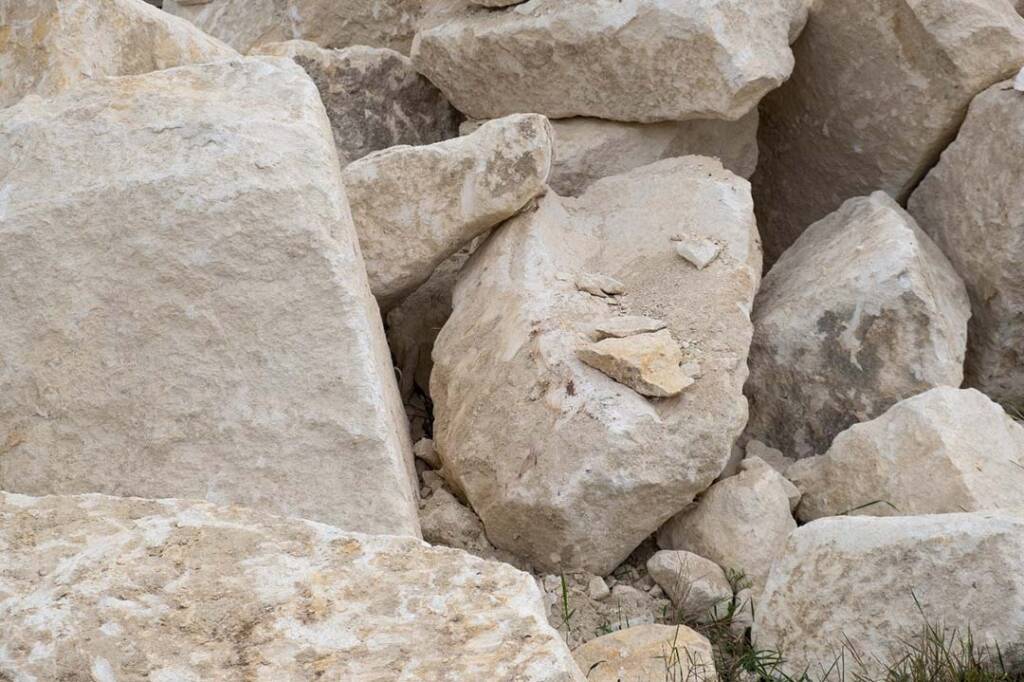
Typical properties include specific gravity ~2.8‑2.9, Mohs hardness ~3.5‑4.0, bulk density of dolomite chips ~0.85‑1 ton per cubic meter (depending on processing) etc.
ARTEK’s Mining Project — Key Features
Here you can insert your own data; below are suggested headings & content you can fill in / modify:
Location & Access
- The mining lease is located in Madhya Pradesh.
- Well connected via road / rail / other infrastructure. Logistics advantages for transporting raw and processed material.
Mining & Processing
- Extraction method: likely open‐pit (common for near surface dolomite), with controlled drilling & blasting.
- Crushing, screening / sizing facilities to produce different grades / sizes (chips, lumps, powder etc.).
- Lab & quality control to ensure magnesium, calcium, silica impurities etc are within needed limits.
Market, Supply & Demand
Demand Drivers
- Growing steel production in India – requires dolomite as a flux.
- Infrastructure & construction growth – cement, masonry, etc.
- Agriculture (soil correction etc.).
Competitive Positioning
- Given MP’s large reserves, proximity to steel or cement plants gives cost/transport advantages.
ARTEK can differentiate by offering high grade, consistent quality, timely delivery, and environmental / social credentials.
ARTEK’s Vision & Commitment
- To be a reliable, high‐quality supplier of dolomite in India and regionally.
- To implement best practices in sustainable mining.
- To ensure that our operations contribute positively to local communities.
- To innovate in product offerings (e.g. different grades, value‐added processing) and continuously improve environmental & social performance